
PRP facial rejuvenation in Cutler Bay
Platelet-rich plasma drawn from your own blood, applied to stimulate collagen and improve skin texture, tone and fine lines — with nothing synthetic introduced into your face.
What PRP is
Platelet-rich plasma is a concentrate made from your own blood. We draw a small sample, spin it in a centrifuge to separate the components, and isolate the plasma layer that is densest in platelets. Platelets carry growth factors — the signalling proteins your body uses to trigger repair after an injury.
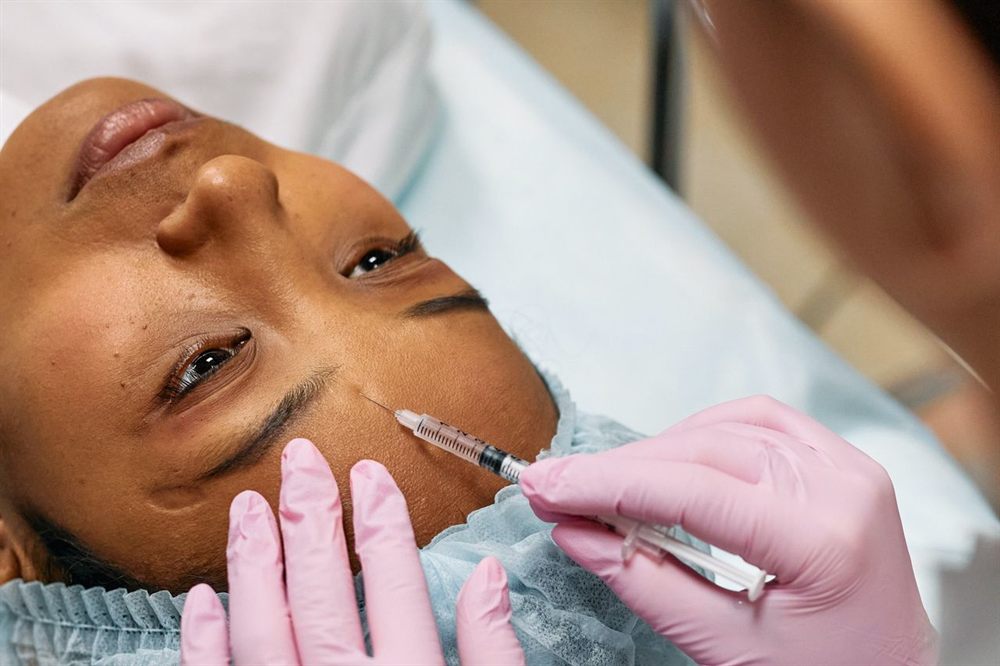
Applied to the face through microneedling or injected into specific areas, that concentrate signals your skin to do what it does during healing: produce new collagen, increase cell turnover and improve local blood supply. The result is not an instant filling effect but a gradual improvement in the quality of the skin itself.
What it improves
- Overall skin texture and smoothness
- Fine lines, particularly around the eyes and mouth
- Dull or uneven skin tone
- Enlarged pores
- Acne scarring and other shallow textural scarring
- Under-eye darkness and crepey skin
- Early skin laxity
PRP does not replace lost volume. If your primary concern is hollowing in the cheeks or under the eyes, dermal fillers address that directly, and the two are often combined. Similarly, PRP does not stop muscle-driven wrinkling — that is what Botox is for.
The appointment
We begin with a standard blood draw, roughly the volume of a routine lab test. While the sample is spinning — about ten to fifteen minutes — we cleanse your skin and apply topical numbing cream.
The PRP is then delivered through microneedling, in which a device creates thousands of controlled micro-channels in the skin. Those channels both trigger the skin's own repair response and allow the plasma to be absorbed rather than sitting on the surface. For specific areas such as the tear trough, PRP may instead be injected directly. The full appointment takes about sixty to seventy-five minutes.
Recovery
Expect your face to look flushed, similar to a moderate sunburn, for the rest of the day and often into the next. Mild swelling is common. Most patients are comfortable returning to normal activity the following day, and makeup can usually be applied after 24 hours.
For 24 hours, avoid strenuous exercise, swimming pools, saunas and active skincare ingredients such as retinoids and acids. Sun protection is essential for at least a week — non-negotiable in South Florida.
How many sessions and how long results last
PRP is a course of treatment rather than a single event. Most patients are advised to have three sessions spaced four to six weeks apart, then a maintenance session every six to twelve months. Because the mechanism is collagen production, improvement is progressive: patients typically notice a change after the second session, with the fullest effect around three to six months after the course is complete.
Safety
Because PRP is derived entirely from your own blood, allergic reaction and rejection are not concerns. The main risks are those of any needle procedure: temporary redness, swelling, pinpoint bruising and, rarely, infection if aftercare instructions are not followed. PRP is not appropriate if you have a platelet disorder, an active skin infection in the treatment area, certain blood cancers, or if you are pregnant. We review your history and, when relevant, your bloodwork before treating.
- 60–75 min
- Appointment time
- 3 sessions
- Recommended course
- 4–6 weeks
- Session spacing
- 1–2 days
- Social downtime
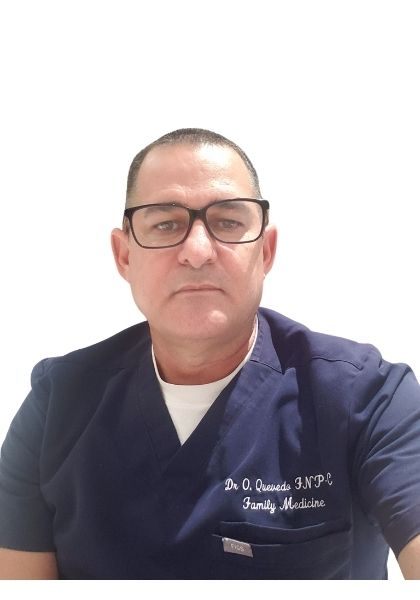
Orlando Quevedo Yanez, APRN, IMG
Advanced Practice Registered Nurse and international medical graduate with more than 20 years of clinical experience, including 12 years in family medicine. Founder of Florida Healthcare Solutions in Cutler Bay. View full profile.
Medical disclaimer: This page is for general information and is not a substitute for professional medical advice, diagnosis or treatment. Individual results vary. Always speak with a qualified healthcare provider about your specific situation.
Why patients choose PRP here
- Uses only your own blood — nothing synthetic is introduced
- No risk of allergic reaction or rejection
- Improves skin quality rather than only masking lines
- Safe to combine with Botox and dermal fillers in a wider plan
- Performed by a provider trained in phlebotomy and sterile technique
- Consultations in English and Spanish
Frequently asked questions
Is this the same as a vampire facial?
Yes. Vampire facial is a marketing name for PRP applied to the face with microneedling. The clinical term is platelet-rich plasma facial rejuvenation. The procedure is the same.
Does PRP hurt?
Topical numbing cream is applied before microneedling, and most patients describe the sensation as vibration with mild scratching rather than pain. The blood draw itself feels like any routine lab test.
How soon will I see results?
PRP works by stimulating your own collagen production, so it is gradual rather than immediate. Many patients notice improved glow and texture within two to three weeks, with more substantial change after the second session. Full results develop over three to six months.
How many sessions will I need?
For most patients we recommend a course of three sessions spaced four to six weeks apart, followed by maintenance every six to twelve months. Patients treating deeper acne scarring sometimes benefit from more sessions.
Can PRP be combined with Botox or filler?
Yes, and combining them is common because they address different problems: PRP improves skin quality, Botox relaxes dynamic wrinkles and filler restores lost volume. We will map out sequencing and timing at your consultation.
Who is not a good candidate for PRP?
PRP is not recommended if you have a platelet or bleeding disorder, are on certain anticoagulants, have an active infection or acne flare in the treatment area, have a history of specific blood cancers, or are pregnant or breastfeeding. We review your medical history and current medications before treating.
Is PRP covered by insurance?
No. PRP for facial rejuvenation is an elective aesthetic treatment and is not covered by health insurance. We provide clear self-pay pricing at your consultation.
Ready to take the next step?
Book a consultation at our Cutler Bay office. We see patients in English and Spanish, and Saturday appointments are available.