
Testosterone therapy in Cutler Bay
Evaluation and treatment of low testosterone in men — starting with a proper diagnosis from morning serum labs rather than a symptom questionnaire, and monitored properly once treatment begins.
Symptoms are the reason to test, not the diagnosis
Fatigue, low libido, difficulty building or maintaining muscle, increased body fat, poor sleep, low mood and trouble concentrating are all associated with low testosterone. They are also associated with sleep apnoea, depression, thyroid disease, anaemia, uncontrolled diabetes, chronic stress and simply being under-slept.
That overlap is why a symptom checklist is not a diagnosis. Starting testosterone in a man whose real problem is untreated sleep apnoea does not fix him — and testosterone can make sleep apnoea worse.
How we evaluate
Testosterone follows a daily rhythm and peaks in the morning, so a valid measurement means a fasting morning blood draw, generally before 10am, confirmed on two separate days. A single afternoon reading is not sufficient to diagnose hypogonadism.
A complete evaluation usually includes:
- Total and free testosterone, drawn on two separate mornings
- LH and FSH, to distinguish a testicular cause from a pituitary one
- Prolactin, when indicated
- A complete blood count, since testosterone raises red blood cell mass
- PSA, for prostate baseline in appropriate age groups
- Comprehensive metabolic panel, lipids, thyroid function and A1c
- Estradiol, when clinically relevant
Because we also provide primary care, that entire workup happens in one place, and if the answer turns out to be thyroid disease or poorly controlled diabetes, we treat that instead.
Fertility matters and is often overlooked
Exogenous testosterone suppresses the body's own production and can substantially reduce sperm count — in some men to zero. This is frequently not explained clearly before treatment starts. If you may want children in the future, tell us at your first visit. There are alternative approaches that raise testosterone while preserving fertility, and they are worth discussing before you commit.
Monitoring during treatment
Testosterone therapy is a long-term commitment that requires ongoing surveillance, not a prescription you collect and forget. We recheck levels and safety labs at roughly three months, again at six to twelve months, and annually thereafter. We monitor haematocrit, because thickened blood is the most common significant complication, along with PSA, blood pressure and symptom response.
Who should not receive testosterone
Testosterone therapy is not appropriate in men with untreated prostate or breast cancer, an elevated haematocrit, severe untreated sleep apnoea, uncontrolled heart failure, a recent cardiovascular event, or in men actively trying to conceive. We review all of this before prescribing.

- 45–60 min
- Initial evaluation
- 2 morning draws
- Diagnostic labs
- ~3 months
- First recheck
- Required
- Ongoing monitoring
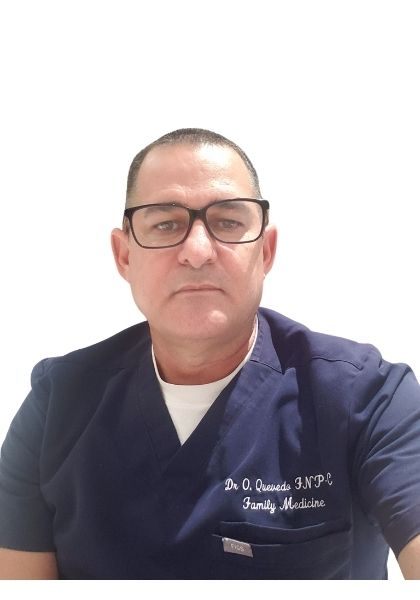
Orlando Quevedo Yanez, APRN, IMG
Advanced Practice Registered Nurse and international medical graduate with more than 20 years of clinical experience, including 12 years in family medicine. Founder of Florida Healthcare Solutions in Cutler Bay. View full profile.
Medical disclaimer: This page is for general information and is not a substitute for professional medical advice, diagnosis or treatment. Individual results vary. Always speak with a qualified healthcare provider about your specific situation.
How we approach hormone therapy
- Diagnosis confirmed by two morning serum draws, not a symptom quiz
- Full workup to rule out thyroid, metabolic and sleep causes first
- Fertility implications discussed openly before you start
- Haematocrit, PSA and blood pressure monitored on a defined schedule
- Honest refusal when testosterone is not the right answer for your symptoms
- Consultations in English and Spanish
Frequently asked questions
How do I know if I have low testosterone?
Symptoms such as fatigue, low libido, loss of muscle mass and low mood may point toward it, but they overlap heavily with thyroid disease, sleep apnoea, depression, anaemia and diabetes. The only way to know is a fasting morning blood draw measuring total and free testosterone, repeated on a second morning to confirm.
Why do I need two blood tests?
Testosterone levels fluctuate day to day and follow a daily rhythm that peaks in the morning. A single low reading can occur in a man with normal testosterone, particularly if he was ill, sleep-deprived or stressed. Confirming on a second morning draw prevents starting lifelong therapy on the basis of one unrepresentative result.
How is testosterone administered?
The most common options are intramuscular or subcutaneous injection, typically weekly or every two weeks, and topical gels applied daily. Each has trade-offs in convenience, stability of levels, cost and — with gels — the risk of transferring the medication to a partner or child through skin contact. We choose based on your situation and preference.
Will testosterone therapy affect my fertility?
Yes, potentially significantly. Exogenous testosterone suppresses the signals that drive your own production and sperm development, and some men become temporarily or persistently infertile. If you may want children, tell us at your first visit. Alternatives exist that raise testosterone while preserving fertility.
Is TRT covered by insurance?
Often yes, when hypogonadism is properly documented with two low morning readings and appropriate supporting labs. Coverage requirements vary by plan, and this is one more reason the diagnostic workup should be done correctly. We can advise on your specific plan.
How quickly will I feel a difference?
It varies by symptom. Libido and mood often improve within three to six weeks. Changes in body composition, muscle mass and strength develop more slowly, generally over three to six months and continuing beyond that. We reassess both symptoms and labs at around three months.
Do I have to stay on testosterone for life?
Not necessarily, but in most men with genuine primary hypogonadism, stopping means symptoms return, since the underlying cause has not changed. If a reversible contributor is identified and corrected — obesity, opioid use, uncontrolled diabetes, a medication — some men recover their own production. That is part of why the initial workup matters.
Other services
Ready to take the next step?
Book a consultation at our Cutler Bay office. We see patients in English and Spanish, and Saturday appointments are available.